
Blog
Blogs
How to Take Care of Your Handbags Complete Handbag Care Guide
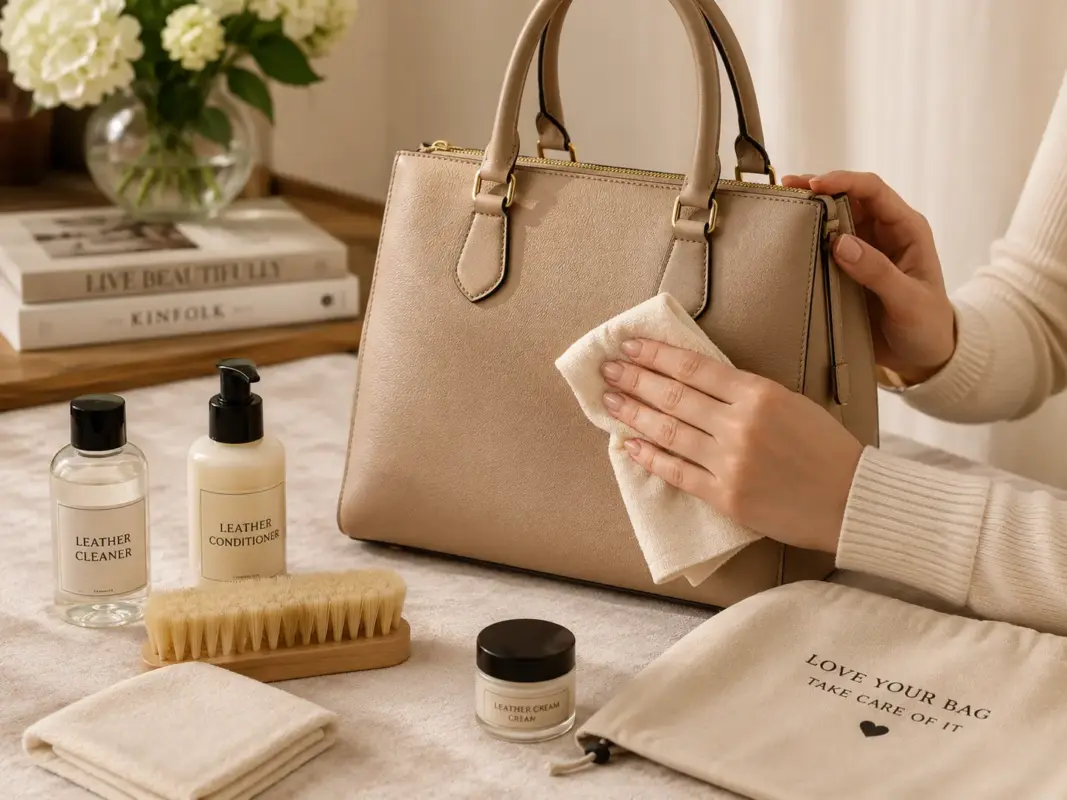
A handbag is more than just a fashion accessory. It is something you carry every day, often holding your essentials while completing your overall look. Whether you own a leather handbag, fabric bag, tote, shoulder bag, crossbody bag, or designer handbag, proper care can help maintain its appearance, shape, and quality for years.
Knowing how to take care of handbags is especially important if you have invested in a high-quality bag. Everyday exposure to dust, moisture, sunlight, spills, and rough surfaces can gradually damage your handbag.
From how to clean a handbag and protect it from stains to the best ways to store it, this guide covers practical handbag care tips to help your favorite bags stay beautiful and functional for longer.
Why Is Handbag Care Important?
Regular handbag maintenance can significantly extend the life of your bags. Without proper care, handbags can develop stains, scratches, unpleasant odors, faded colors, cracked leather, damaged handles, and loss of shape.
Taking a few simple precautions can help you:
- Keep your handbag looking clean and polished
- Protect it from stains, scratches, and moisture
- Maintain the original shape of the bag
- Prevent leather from drying and cracking
- Reduce wear and tear
- Extend the lifespan of your handbag
- Preserve the overall quality and appearance of your favorite accessories
If you want your handbags to look good for years, proper care should be part of your regular routine.
1. Store Your Handbags Properly
One of the most important handbag storage tips is to keep your bags in the right environment when you are not using them.
Avoid storing handbags in damp, humid, or extremely hot areas. Excess moisture can contribute to mold and mildew, while excessive heat and sunlight can cause certain materials and colors to deteriorate.
Best Way to Store Handbags
Follow these simple steps:
- Store handbags in a cool, dry place.
- Keep them away from direct sunlight.
- Use a breathable dust bag whenever possible.
- Do not place heavy objects on top of your handbags.
- Avoid overcrowding your storage space.
- Store structured bags upright when appropriate.
- Stuff soft tissue paper or clean fabric inside the bag to help maintain its shape.
- Keep metal hardware protected from scratches.
Avoid using newspapers or colored paper to stuff your bags because ink can potentially transfer onto the interior.
Should You Keep Handbags in Dust Bags?
Yes. A breathable dust bag can help protect your handbag from dust, scratches, and unnecessary exposure when it is not being used.
However, avoid sealing leather handbags in airtight plastic bags for long periods. Leather needs some airflow, and trapped moisture can contribute to problems such as mildew.
2. Clean Your Handbag Regularly
Regular cleaning is one of the easiest ways to maintain the appearance of your handbag.
You do not necessarily need to deep-clean your bag every week. Instead, gently remove surface dust and dirt regularly and deal with spills as soon as they happen.
How to Clean a Handbag
The correct cleaning method depends on the material.
For many fabric or synthetic bags, a soft cloth slightly dampened with water may be enough to remove surface dirt.
For leather handbags, gently wipe the surface with a clean, soft cloth. Avoid soaking the leather or using household cleaning products unless the manufacturer’s care instructions specifically recommend them.
Always check the manufacturer’s care instructions before applying any cleaning product.
How Often Should You Clean Your Handbag?
The ideal cleaning frequency depends on how often you use the bag and what material it is made from.
For frequently used handbags, gently wiping away surface dust every few uses can help prevent dirt from building up. A more thorough cleaning can be done when necessary, following the material-specific care instructions.
3. Protect Your Handbag From Stains
Stains are among the most common problems associated with everyday handbag use.
Cosmetics, pens, food, drinks, oils, and other items inside your bag can cause stains if they come into contact with the lining or exterior.
Simple Ways to Prevent Handbag Stains
- Keep makeup and liquids in separate pouches.
- Make sure bottles and containers are tightly closed.
- Avoid placing your handbag on dirty or wet surfaces.
- Keep pens inside a small pouch or case.
- Be careful when eating or drinking around your handbag.
- Clean accidental spills as quickly as possible.
If something spills on your handbag, gently blot the affected area rather than aggressively rubbing it. Rubbing can spread the stain or damage delicate materials.
4. Keep Leather Handbags Conditioned
Leather is durable, but it still requires proper care. Over time, exposure to sunlight, heat, dry air, and everyday use can cause leather to lose moisture and become dry.
This is where leather handbag care becomes important.
How to Care for Leather Handbags
Use a leather conditioner that is appropriate for your specific type of leather. Conditioning can help maintain the leather’s flexibility and reduce the risk of dryness and cracking.
Before applying any conditioner:
- Check the manufacturer’s recommendations.
- Test the product on a small, inconspicuous area.
- Apply only a small amount.
- Follow the product’s instructions carefully.
- Allow the handbag to dry naturally.
Do not automatically use the same product on every leather bag. Different leather finishes may require different care methods.
5. Keep Your Handbag Away From Water and Moisture
Water can damage certain handbag materials, especially untreated or delicate leather.
If your handbag gets wet, avoid using a hair dryer, heater, or direct sunlight to dry it. Excessive heat can affect the material and potentially cause it to become dry, distorted, or damaged.
Instead, gently remove excess moisture with a soft, absorbent cloth and allow the bag to dry naturally in a well-ventilated area.
For serious water damage or delicate materials, professional cleaning may be the safest option.
6. Protect Your Handbag From Scratches
Scratches can quickly affect the appearance of a handbag, particularly on smooth leather and other delicate materials.
Be mindful of where you place your handbag and what you carry alongside it.
How to Prevent Scratches on Handbags
- Avoid placing your handbag on rough surfaces.
- Keep keys and other sharp objects in a separate pouch.
- Do not overload the bag.
- Store handbags separately when possible.
- Protect delicate hardware from contact with other accessories.
- Use a dust bag during storage.
A little extra care can prevent small scratches from becoming permanent damage.
7. Do Not Overfill Your Handbag
Your handbag may look like it can hold everything, but overloading it can affect both its appearance and durability.
Excessive weight can put unnecessary stress on handles, straps, stitching, zippers, and seams. It can also cause structured handbags to lose their original shape.
Carry only the essentials whenever possible and regularly remove items you no longer need.
8. Take Care of the Handles and Straps
Handles and straps experience significant wear because they are frequently touched and carry the weight of the bag.
Keep them clean and avoid putting excessive pressure on them.
If you notice loose stitching, fraying, cracks, or a weakening strap, address the issue early rather than waiting for it to become a bigger problem.
9. Protect Your Handbag From Direct Sunlight
Long-term exposure to direct sunlight can cause certain handbag materials and colors to fade.
When storing your handbag, choose a location away from direct sunlight, windows, radiators, and other heat sources.
This is particularly important for brightly colored, dark, and delicate materials that may show fading more noticeably.
10. Repair Your Handbag as Soon as Possible
Small problems can become expensive repairs if they are ignored.
A loose handle, damaged zipper, broken clasp, or loose stitching should be addressed as soon as possible.
Common Handbag Repairs
Professional repair may be appropriate for:
- Broken handles
- Damaged straps
- Loose stitching
- Broken zippers
- Damaged buckles
- Loose hardware
- Torn lining
- Leather damage
For valuable or delicate handbags, consider consulting a professional repair specialist instead of attempting complicated repairs yourself.
11. Keep the Inside of Your Handbag Clean
Handbag care is not just about the exterior. The inside of your bag also collects dust, crumbs, receipts, makeup, and other debris.
Empty your handbag regularly and remove unnecessary items.
For fabric interiors, gently brush or vacuum loose debris when appropriate. If the lining requires deeper cleaning, follow the manufacturer’s instructions to avoid damaging the material.
Using small organizers or pouches can also help keep the interior clean and organized.
12. Be Careful With Makeup, Perfume, and Liquids
Cosmetics and liquids can cause some of the most difficult handbag stains.
Perfume, foundation, lipstick, lotions, and other products should ideally be stored in sealed cosmetic bags or pouches.
Never place an open bottle directly inside your handbag.
A simple pouch can protect both the interior and exterior of your bag from accidental spills.
13. Rotate Your Handbags
If you have several handbags, consider rotating them instead of using the same bag every day.
Regular rotation can reduce constant wear and gives each handbag time to rest in proper storage.
It also gives you the opportunity to clean, inspect, and maintain each bag before using it again.
14. Check Your Handbags Before Long-Term Storage
If you are planning to store a handbag for several weeks or months, clean it and make sure it is completely dry before putting it away.
Empty all pockets and compartments, remove any food or potentially damaging items, and check for stains or damage.
Then:
- Clean the handbag according to its material.
- Allow it to dry completely.
- Stuff it gently to maintain its shape.
- Store it in a breathable dust bag.
- Keep it in a cool, dry location.
- Avoid stacking heavy items on top of it.
These simple steps can make a significant difference when you take the handbag out of storage again.
Handbag Care Tips Based on Material
Different handbag materials require different approaches to cleaning and maintenance.
| Handbag Material | Basic Care Tips |
| Leather | Use a suitable leather cleaner or conditioner and avoid excessive moisture |
| Faux Leather | Wipe gently with a soft cloth and follow the manufacturer’s care instructions |
| Canvas | Remove surface dirt carefully and use appropriate fabric-cleaning methods |
| Suede | Use products specifically designed for suede and avoid excess water |
| Fabric | Follow the manufacturer’s washing and cleaning instructions |
| Synthetic Materials | Use gentle cleaning methods and avoid harsh chemicals |
Always check the specific care instructions for your handbag before using a new cleaning or conditioning product.
Common Handbag Care Mistakes to Avoid
Knowing what not to do is just as important as knowing how to care for your handbag.
Avoid these common mistakes:
Using Harsh Cleaning Products
Household detergents, alcohol-based products, bleach, and other harsh chemicals can damage certain handbag materials.
Washing Every Handbag With Water
Not every handbag is washable. Excess moisture can permanently damage some leather, suede, and delicate materials.
Leaving Handbags in Direct Sunlight
Extended sunlight exposure can contribute to fading and material deterioration.
Storing Bags in Plastic for Long Periods
Airtight plastic storage can trap moisture and may contribute to mildew or other problems.
Overloading Your Bag
Too much weight can place unnecessary stress on handles, straps, seams, and hardware.
Ignoring Small Repairs
A small tear or loose stitch can become a much bigger problem if it is left untreated.
How to Make Your Handbags Last Longer
The best way to extend the life of your handbags is to make care a regular habit rather than waiting until something goes wrong.
A simple routine can include:
Daily:
Keep liquids closed, avoid rough surfaces, and handle the bag carefully.
Weekly:
Remove unnecessary items and gently clean away visible dust or dirt.
Monthly:
Inspect the handles, straps, stitching, hardware, and interior for signs of wear.
When needed:
Condition suitable leather, remove stains according to the material’s care instructions, and arrange professional repairs for serious damage.
Final Thoughts
Your handbag is an important part of your everyday style, so it deserves proper care. Whether you own a practical everyday tote or a statement handbag, simple habits can help preserve its beauty, shape, and functionality.
Proper storage, regular cleaning, stain prevention, careful handling, and timely repairs are all essential parts of handbag maintenance.
By following these handbag care tips, you can help your favorite bags stay stylish, functional, and beautiful for much longer.
Frequently Asked Questions About Handbag Care
How often should I clean my handbag?
It depends on how frequently you use it and what material it is made from. Frequently used handbags can benefit from regular surface cleaning, while deeper cleaning should be performed according to the manufacturer’s care instructions.
How should I store handbags when I am not using them?
Store handbags in a cool, dry place away from direct sunlight and excessive heat. Use a breathable dust bag and gently stuff the handbag with clean tissue paper or suitable fabric to help maintain its shape.
How do you clean a leather handbag?
Gently wipe the leather with a clean, soft cloth and use only cleaning or conditioning products specifically recommended for the type of leather. Always test a product on a discreet area first.
Can I wash my handbag with water?
Not necessarily. Some materials can tolerate limited moisture, while leather, suede, and delicate materials may be damaged by water. Always check the manufacturer’s care instructions before washing your handbag.
How can I protect my handbag from stains?
Keep cosmetics and liquids inside sealed pouches, avoid placing your bag on dirty or wet surfaces, and deal with spills as quickly as possible by gently blotting the affected area.
How do I prevent a handbag from losing its shape?
Avoid overloading the bag and store it properly when not in use. For structured handbags, gently stuffing the interior with clean, suitable material can help maintain the original shape.
How do I take care of a leather handbag?
Keep leather away from excessive moisture, heat, and direct sunlight. Clean it gently and use an appropriate leather conditioner when recommended for that particular leather type.
How can I make my handbag last longer?
Regular cleaning, proper storage, stain prevention, avoiding overloading, careful handling, and prompt repairs can all help extend the life of your handbag.
Is it better to store handbags in dust bags?
Yes. A breathable dust bag can help protect handbags from dust and scratches while they are being stored. Avoid airtight plastic storage for long periods, particularly for leather bags.
When should I get my handbag professionally repaired?
Consider professional repair when you notice damaged handles, broken hardware, significant leather damage, loose stitching, torn lining, or a damaged zipper. Addressing these problems early can help prevent further damage.


Recent Comments